Medicare Part D and Prescription Drug Costs in California | Medicare with Ashley
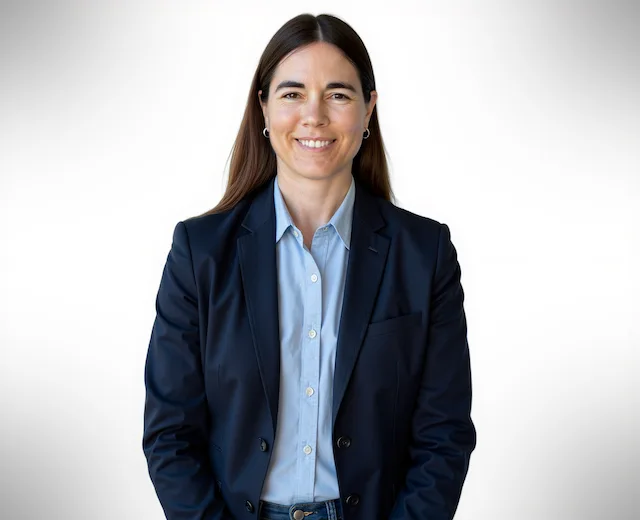
Ashley Watson
Licensed Medicare Broker · San Diego, CA
Medicare Part D and Prescription Drug Costs in California: What You Need to Know
Prescription drug costs are one of the biggest financial concerns for Medicare enrollees in San Diego. Medicare Part D is the program that helps cover those costs — but choosing the wrong plan, or not enrolling at all, can be a very expensive mistake. Here's what you need to know.
What Is Medicare Part D?
Medicare Part D is the prescription drug coverage component of Medicare. It's provided through private insurance companies approved by Medicare. You get Part D coverage in one of two ways:
- Standalone Part D plan — added to Original Medicare (Parts A and B) or a Medigap plan
- Medicare Advantage plan with drug coverage (MAPD) — bundled with your Medicare Advantage plan
Most people on Medicare need some form of Part D coverage, even if they don't currently take many prescriptions. Here's why: if you don't enroll when you're first eligible and don't have other creditable drug coverage, you'll face a permanent late enrollment penalty.
How Much Does Part D Cost in California?
Part D costs vary by plan and include several components:
- Monthly premium: Ranges from roughly $0 (bundled in some MA plans) to $100+ for standalone plans
- Annual deductible: Up to $590 in 2025 for standard plans
- Copays/coinsurance: Depends on which "tier" your drug falls into on the plan's formulary
- Out-of-pocket maximum: Starting in 2025, out-of-pocket drug costs are capped at $2,000 per year — a significant new protection
What Is a Drug Formulary and Why Does It Matter?
Every Part D plan has a formulary — a list of covered drugs, organized into tiers. Lower-tier drugs (generics) cost less; higher-tier drugs (brand-name and specialty medications) cost more. Two plans with the same premium can have dramatically different out-of-pocket costs for the same medication depending on how they tier it.
This is why comparing plans based on your actual prescription list — not just the monthly premium — is essential. Ashley Watson does this comparison for every client, pulling up the real cost of each medication under each available plan before making a recommendation.
The $2,000 Out-of-Pocket Cap (New in 2025)
One of the most significant changes to Medicare Part D in recent years took effect in 2025: a $2,000 annual cap on out-of-pocket prescription drug costs. This is a major benefit for San Diego seniors who take expensive specialty medications and previously had no ceiling on what they could spend. Once you hit $2,000 in a calendar year, your covered medications are free for the rest of the year.
What Is the Part D Late Enrollment Penalty?
If you don't enroll in a Part D plan when you're first eligible, and you don't have other creditable drug coverage (such as through an employer), you'll pay a penalty equal to 1% of the national base premium for every month you went without coverage. In 2025, the national base premium is $36.78, so each uncovered month adds about $0.37 per month — permanently. Miss a year, and you'll pay an extra $4.40/month for the rest of your life.
How to Lower Your Prescription Drug Costs
1. Choose the Right Part D Plan for Your Medications
Use Medicare's Plan Finder or work with a broker to identify the plan with the lowest total drug costs for your specific list of medications — not just the lowest premium.
2. Ask Your Doctor About Generic Alternatives
Generic medications are almost always placed on Tier 1 or Tier 2 of the formulary, meaning you pay the lowest copay. If a generic version of your medication exists, it can dramatically reduce your costs.
3. Apply for Extra Help (Low Income Subsidy)
If your income is below a certain threshold, you may qualify for Extra Help — a federal program that reduces Part D premiums, deductibles, and copays. Many San Diego County seniors qualify and don't know it. Ashley can help you apply.
4. Use Preferred Pharmacies
Most Part D plans have a network of preferred pharmacies where your copays are lower. Using a preferred pharmacy — often a large chain or mail-order option — can save you money on every fill.
Frequently Asked Questions
Does Medicare Advantage cover prescriptions?
Most Medicare Advantage plans (called MAPD plans) include Part D drug coverage built in. If you enroll in one of these plans, you don't need a separate Part D plan.
Can I change my Part D plan if my medications change?
You can change your Part D plan during the Annual Enrollment Period (October 15 – December 7) each year. If your medication needs change significantly mid-year, Ashley can review whether your current plan still makes sense and whether a Special Enrollment Period applies.
What if my drug isn't on the formulary?
You can request an exception or formulary exception from the plan. Your doctor may need to submit documentation. In some cases, switching plans during open enrollment is the better solution.
Get Your Prescriptions Compared — Free
Ashley Watson reviews your medication list and compares Part D plan costs for every San Diego County client she works with — at no charge. It's one of the most valuable parts of a Medicare consultation and can easily save you hundreds of dollars per year. Book a free appointment or call (619) 947-2325.